
المقالات والأخبار
أخبار، رؤى وابتكارات
14
Nov 2026
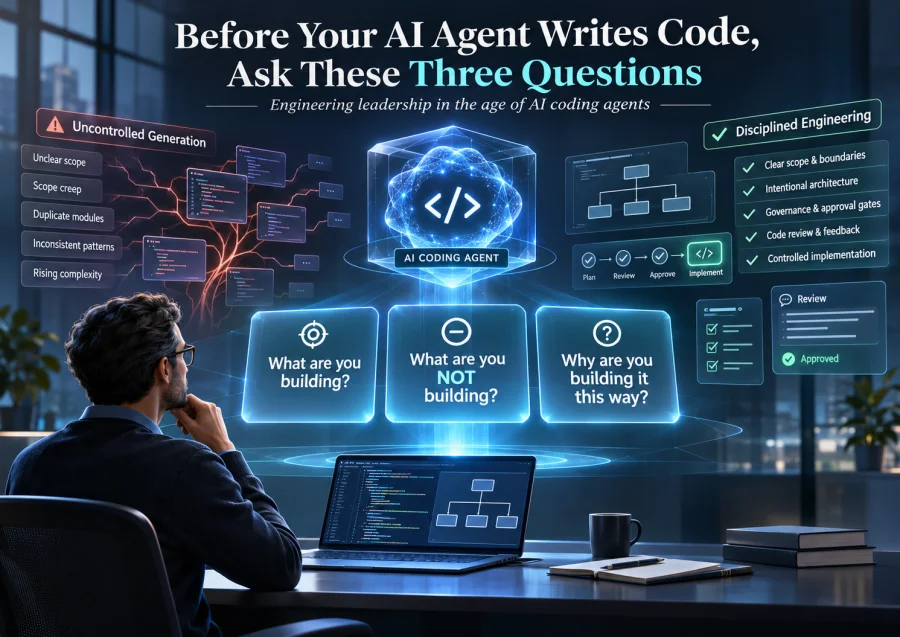
Before Your AI Agent Writes Code, Ask These Three Questions
Before Your AI Agent Writes Code, Ask These Three Questions
AI can write code faster than ever. But without clear boundaries, faster development can mean faster mistakes.
By Omar Mahmoud
AI coding agents are changing software development. A developer can describe a feature and receive working code, tests, and documentation within minutes.
But faster implementation raises an important question:
How do we know the agent built the right thing?
An AI agent might implement the requested feature while introducing new dependencies, unnecessary abstractions, or functionality nobody asked for.
The code compiles. Tests pass. Everything looks complete.
Yet the solution may still be wrong.
The problem isn't necessarily the AI. It's the lack of clear engineering boundaries.
Before an AI agent writes code, I believe every engineering team should require answers to three questions:
- What are you building?
- What are you NOT building?
- Why are you building it this way?
These questions sound simple, but they address three critical engineering responsibilities: intent, scope, and accountability.
1. What Are You Building?
A feature request is not the same as a clear requirement.
Consider this instruction:
Implement employee attendance using geofencing.
An AI agent could interpret this as automatic check-in, background location monitoring, location history, or a complete attendance management system.
All are technically reasonable interpretations. But which one does the business actually need?
A better requirement would be:
Objective: Allow employees to confirm attendance when entering an approved workplace geofence.
Expected behavior:
- Detect entry into the configured geofence.
- Notify the employee.
- Request attendance confirmation.
- Submit the confirmation to the existing backend.
- Prevent duplicate submissions.
Now the agent has a defined outcome that can be tested.
The principle: Don't tell an AI agent only what feature to build. Define the behavior you expect and how success will be verified.
2. What Are You NOT Building?
This is arguably the most important question.
AI agents can be surprisingly proactive. Ask for a feature, and they may add supporting functionality to make the solution feel more complete.
Sometimes that's helpful. Often, it creates unnecessary complexity.
Returning to our attendance example, the agent might introduce continuous location tracking, historical movement records, Wi-Fi detection, or an administration dashboard.
None of these was requested.
Each addition means more code to maintain, more tests to write, and potentially more security and privacy risks.
That's why explicit non-goals should be part of every meaningful implementation request.
For our example:
Out of scope:
- Continuous employee location tracking.
- Historical movement storage.
- Automatic checkout.
- Wi-Fi-based attendance detection.
- New administration dashboards.
If additional functionality becomes necessary, the agent should explain why and request approval before proceeding.
Good engineering isn't just knowing what to build. It's knowing what not to build.
3. Why Are You Building It This Way?
Working code doesn't automatically mean good architecture.
An AI agent might create a new service when an existing one could be extended, introduce an unnecessary dependency, duplicate business logic, or modify an API contract.
These decisions can work technically while creating long-term maintenance problems.
Before implementation, the agent should explain:
- Approach: How will the solution fit the existing architecture?
- Alternatives: What other options were considered?
- Trade-offs: What are we gaining or sacrificing?
- Risks: What could break?
- Assumptions: What decisions are being made without explicit requirements?
For example, if an agent proposes adding a new geofencing library, it should explain why existing platform integrations aren't sufficient.
Importantly, an AI-generated explanation is not proof. Technical claims should be verified against the actual codebase, documentation, and tests.
The goal isn't to make AI justify every line of code. It's to make important engineering decisions visible before they become permanent.
Turn These Questions Into an Implementation Contract
I recommend introducing a lightweight Implementation Contract before an AI agent starts any significant development task.
It only needs five elements:
| Section | Purpose |
|---|---|
| Objective | What outcome are we delivering? |
| In scope | What must be implemented? |
| Out of scope | What must not be implemented? |
| Technical rationale | Why is this the right approach? |
| Verification | How will we prove it works? |
The workflow is straightforward:
Understand → Propose → Review → Implement → Verify
First, the agent examines the requirements and existing codebase. It then proposes an implementation and identifies exclusions, assumptions, and risks.
A developer or technical lead reviews the proposal before authorizing significant changes.
After implementation, the agent reports what was built, which tests actually ran, and whether anything deviated from the approved scope.
This isn't about adding bureaucracy. It's about preventing avoidable rework.
For small, low-risk changes, the process can be lightweight. Architectural, security, database, and API changes deserve greater scrutiny.
A Practical Prompt for Your AI Coding Agent
Here's a reusable instruction you can add to your agent's project configuration:
Before implementing a task, analyze the requirements and existing codebase.
Answer these three questions:
1. What are you building?
- Define the objective, expected behavior, and acceptance criteria.
- Identify affected files, modules, and APIs.
2. What are you NOT building?
- List explicit exclusions and deferred features.
- Avoid unnecessary dependencies, abstractions, and unrelated changes.
3. Why are you building it this way?
- Explain the technical approach and how it fits the existing architecture.
- Identify alternatives, trade-offs, assumptions, and risks.
Present a concise implementation plan and verification strategy.
Do not modify code until the proposal is approved.
If implementation requires expanding the approved scope, stop and request approval.
After implementation, report completed work, deviations, test results, and unresolved issues. Never claim a test passed unless it was executed.
This creates a practical boundary between human decisions and agent execution.
Measure Outcomes, Not Just Output
As AI agents become more capable, engineering teams will naturally measure productivity through development speed, completed tasks, and pull requests.
But speed alone tells us very little about engineering quality.
We should also measure whether implementations stay within scope, how much human rework they require, whether important decisions are traceable, and whether acceptance criteria are actually verified.
An agent that generates 5,000 lines of unnecessary code isn't necessarily more productive than one that solves the problem in 500.
Research such as the 2025 DORA report reinforces the importance of the organizational practices surrounding AI-assisted development.
The real productivity gain isn't writing more code. It's delivering the right solution with less rework and complexity.
From Prompt Engineering to Engineering Governance
The conversation around AI coding often focuses on writing better prompts.
But better prompts alone aren't enough.
As agents take on increasingly complex tasks, engineering leadership must define what those agents can decide independently, what requires approval, and how their work is verified.
Specification-driven approaches, including GitHub Spec Kit, reflect this shift toward defining intent before implementation.
My proposed three-question approach builds on the same principle while keeping engineering accountability at the center.
- What are you building? Establishes intent.
- What are you NOT building? Establishes boundaries.
- Why are you building it this way? Establishes accountability.
Conclusion: Approve the Intent, Not Just the Code
AI agents are making software development faster. But they don't automatically understand business priorities, architectural constraints, or the long-term cost of their decisions.
Those remain engineering responsibilities.
Before your next agent starts writing code, ask:
What are you building? What are you NOT building? And why?
Because the goal isn't to generate more code.
It's to solve the right problem without creating new problems nobody agreed to own.
The future of engineering leadership isn't about supervising every line of AI-generated code. It's about defining the boundaries within which AI is allowed to make decisions.
المؤلف: عمر محمود

10
Nov 2026
Is Cross-Platform Mobile Development Dead in the Age of Agentic Coding?
Is Cross-Platform Mobile Development Dead in the Age of Agentic Coding?
How AI coding agents are changing the economics of Flutter, React Native, Swift, and Kotlin development.
By Omar Mahmoud
Introduction: A Question Worth Asking
For years, cross-platform mobile development has been built around a compelling promise: write once, run everywhere.
Frameworks such as Flutter and React Native made it possible to share substantial portions of an application's codebase across iOS and Android. This reduced development effort, simplified maintenance, and helped teams deliver features faster.
But software engineering is entering a new phase.
AI coding agents can now navigate repositories, implement features, generate tests, investigate errors, and modify code across multiple files. Instead of relying entirely on developers to write and maintain every line, teams can delegate increasingly complex implementation tasks to AI agents.
This raises an interesting question:
If AI agents can generate platform-specific code much faster and more cheaply, does maintaining a shared cross-platform codebase still provide the same economic advantage?
The answer is more nuanced than a simple yes or no.
Cross-platform development is not dead. However, the economic argument that made it attractive may be changing.
1. Why Cross-Platform Development Won
The popularity of cross-platform development was never simply about writing less code. It was about reducing the cost of coordinating two platforms.
Consider a typical mobile application supporting iOS and Android.
With native development, a feature may require:
- A Swift implementation for iOS.
- A Kotlin implementation for Android.
- Separate UI testing and platform-specific debugging.
- Coordination to maintain consistent business behavior.
- Parallel maintenance as requirements evolve.
Cross-platform frameworks address much of this duplication by sharing application logic and, depending on the framework, UI implementation.
The benefits are particularly significant for:
- Startups with limited engineering resources.
- Products with similar experiences across platforms.
- Teams maintaining large feature sets.
- Organizations that need coordinated releases.
The traditional argument is straightforward:
One implementation is generally cheaper to maintain than two implementations.
That assumption has shaped mobile architecture decisions for years.
2. Agentic Coding Changes the Economics
AI coding agents introduce a different development model.
Rather than asking developers to manually implement every feature, teams can assign tasks to agents that inspect the repository, understand existing patterns, modify code, and run tests.
For example, an engineering team could delegate the same feature to two agents:
- One implements the iOS version using Swift.
- Another implements the Android version using Kotlin.
The agents can work in parallel, potentially reducing implementation time.
This changes the traditional cost equation.
Previously:
Two platforms = two implementation efforts + coordination overhead.
With agentic development:
Two platforms = two AI-assisted implementation efforts + human verification and coordination.
The important distinction is that implementation cost and software delivery cost are not the same thing.
Generating code is becoming cheaper. Ensuring that the code is correct, maintainable, secure, accessible, and production-ready remains a substantial engineering responsibility.
3. The Strongest Case for Native-First Development
Agentic coding makes native development more attractive in several situations.
Platform-specific experiences
iOS and Android have different design conventions, APIs, lifecycle behaviors, permission systems, and interaction patterns.
Native implementations allow teams to use platform capabilities directly rather than introducing abstractions around them.
Independent platform evolution
Apple and Google do not always introduce capabilities at the same time.
Native development allows each platform to adopt new APIs and capabilities independently, without waiting for framework support.
Parallel AI implementation
If coding agents can independently implement and test features for both platforms, the historical disadvantage of maintaining two codebases may become smaller.
Specialized performance requirements
Applications involving advanced camera capabilities, background processing, Bluetooth, location services, widgets, or platform-specific integrations may benefit from native-first architecture.
However, none of these advantages automatically makes native development the best choice for every product.
4. Code Generation Is Not Software Delivery
This is where the discussion becomes more interesting.
An AI agent can generate a feature that compiles successfully but still introduces architectural problems, incorrect business logic, or subtle platform-specific defects.
A successful build is not necessarily a successful delivery.
Engineering teams must still evaluate:
- Functional correctness.
- Architecture consistency.
- Performance and memory usage.
- Security and privacy.
- Accessibility.
- Platform-specific behavior.
- Test coverage.
- Long-term maintainability.
The emerging research on coding agents also highlights the importance of human oversight and the difficulties agents can encounter when modifying existing codebases.
These findings should not be interpreted as direct evidence that native development is superior to Flutter or React Native. They demonstrate a broader point: generating code does not eliminate the complexity of engineering software.
5. The New Economics: One Codebase vs. Two AI-Assisted Codebases
Let's compare the two approaches conceptually.
| Dimension | Cross-platform | Native + AI agents |
|---|---|---|
| Initial implementation | One shared implementation | Two coordinated implementations |
| UI consistency | Easier to centralize | Requires coordination |
| Platform-specific APIs | May require bridges or plugins | Direct access |
| AI-assisted development | One primary codebase | Parallel platform-specific work |
| Testing | Shared tests plus platform validation | Separate platform validation |
| Maintenance | Shared changes, with exceptions | Two implementations to maintain |
| Platform flexibility | Depends on framework abstractions | High |
| Team specialization | Cross-platform expertise | iOS and Android expertise |
A simplified model helps illustrate the trade-off.
Let:
C_shared= cost of implementing and maintaining shared code.C_ios= cost of the iOS implementation.C_android= cost of the Android implementation.C_coordination= cost of keeping both platforms aligned.C_verification= cost of reviewing, testing, and validating AI-generated code.
Then:
Cross-platform total cost:
T_cross = C_shared + C_platform_specific + C_verification
Native-first total cost:
T_native = C_ios + C_android + C_coordination + C_verification
AI agents can reduce implementation costs in both models. The winning architecture depends on how much duplication remains, how effectively agents work within each codebase, and how expensive verification becomes.
The important insight is that cheaper implementation does not automatically mean cheaper ownership.
6. The Cost of Change Matters More Than the Cost of Creation
A mobile application is not a one-time development project.
It evolves continuously.
New requirements appear, operating systems change, APIs become deprecated, dependencies require upgrades, and business rules evolve.
The real architectural question is therefore not:
How quickly can we build the first version?
It is:
How efficiently can we change, validate, and maintain the application over several years?
Consider a feature that needs to change its authentication flow.
In a cross-platform application, a shared implementation may allow the team to modify the logic once and validate it across both platforms.
In a native application, two implementations may need to change independently.
AI agents can accelerate both approaches, but they do not eliminate the need to maintain behavioral consistency.
This is particularly important when business logic is duplicated across platforms.
7. The Experiment Engineering Teams Should Run
Instead of debating framework preferences, engineering leaders should conduct a controlled experiment.
Build the same application using three approaches:
- Flutter with AI coding agents.
- React Native with AI coding agents.
- Native Swift and Kotlin with AI coding agents.
Give each implementation the same requirements, acceptance criteria, backend APIs, and testing expectations.
Measure the following:
| Metric | What it tells us |
|---|---|
| Time to accepted build | Actual delivery speed |
| Human intervention | How much developer supervision is required |
| Defect rate | Quality of generated implementations |
| Platform-specific failures | Reliability across devices and OS versions |
| Testing effort | Cost of validating the implementation |
| Maintenance effort | Cost of future changes |
| Regression frequency | Stability after modifications |
| Operational cost | Long-term engineering ownership |
The most important part is not the first implementation.
After the initial release, introduce several new requirements and measure how efficiently each architecture handles them.
For example:
- Add a new authentication method.
- Introduce background location processing.
- Add a platform-specific widget.
- Change a shared business rule.
- Upgrade a major dependency.
- Modify an existing feature without breaking other functionality.
This provides a much more meaningful comparison than measuring how quickly an agent generates an initial screen.
8. The Future: AI-Native, Platform-Aware Engineering
The future of mobile development is unlikely to belong exclusively to cross-platform or native frameworks.
Instead, we may see a more flexible architecture.
Shared business logic
Core business rules, API contracts, validation, and domain models can remain shared wherever doing so makes sense.
Platform-native experiences
Features that depend heavily on operating system capabilities can use native implementations.
AI-assisted implementation
Coding agents can help implement features, generate tests, refactor modules, and maintain consistency across repositories.
Human architectural ownership
Engineers remain responsible for architectural decisions, technical quality, security, and production reliability.
This suggests a shift away from framework-first thinking toward capability-first architecture.
The best technology choice is the one that provides the lowest sustainable cost of change while meeting the product's technical and business requirements.
Conclusion: Cross-Platform Is Not Dead, but Its Old Argument Is Being Challenged
Agentic coding is changing the economics of software development.
It reduces the effort required to implement features, makes parallel development more practical, and gives smaller engineering teams access to capabilities that previously required larger teams.
This weakens one of the strongest historical arguments for cross-platform development: avoiding duplicated implementation effort.
But it does not eliminate the value of shared architecture.
Cross-platform frameworks still offer meaningful advantages in code reuse, consistency, coordinated delivery, and maintenance.
Native development becomes more attractive when platform integration, specialized capabilities, or independent platform evolution justify the additional complexity.
The real question is no longer whether one codebase is always better than two.
It is whether the architecture minimizes the total cost of building, validating, changing, and operating the product.
In the age of agentic coding, the winning mobile architecture will not necessarily be the one with the least code. It will be the one that makes change easiest to deliver safely.
المؤلف: عمر محمود
19
Sep 2026
موقع إلكتروني عصري جديد بأداء استثنائي وجودة عالية
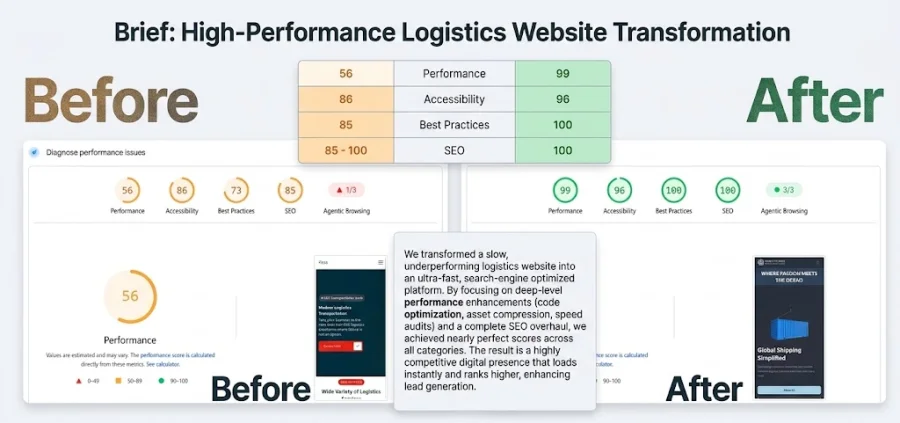
World of Miles Maritime Services قمنا بتحويل موقع «World of Miles Maritime Services» ضعيف الأداء إلى منصة رقمية حديثة كليًا، مصمَّمة للسرعة والتفاعل. فمن خلال الجمع بين إعادة تصميم عصرية لواجهة وتجربة المستخدم (UI/UX) وتحسينات تقنية معمّقة، تشمل إعادة هيكلة الشيفرة البرمجية (Code Refactoring)، وضغط الأصول (Asset Compression)، وضبط مؤشرات Core Web Vitals، وتحسين محركات البحث (SEO)، حققنا قفزة كبيرة في جميع المقاييس الرئيسية.
الأداء (Performance): ارتفع من 56 إلى 99
إمكانية الوصول (Accessibility): ارتفعت من 86 إلى 96
أفضل الممارسات (Best Practices): ارتفعت من 73 إلى 100
تحسين محركات البحث (SEO): ارتفع من 85 إلى 100
جاهزية التصفح الوكيلي (Agentic Browsing Readiness): تحسّنت من 1/3 إلى 3/3
والنتيجة منصة مؤسسية حديثة ومتجددة تُحمَّل فورًا في جميع أنحاء العالم، وتعزّز الهوية البصرية للعلامة التجارية، وتزيد من ظهورها في محركات البحث لدى عملاء الخدمات اللوجستية البحرية العالمية.
01
Aug 2026
SP-Apps تتصدر قائمة أفضل 100 شركة لتطوير تطبيقات الهواتف المحمولة في الأردن
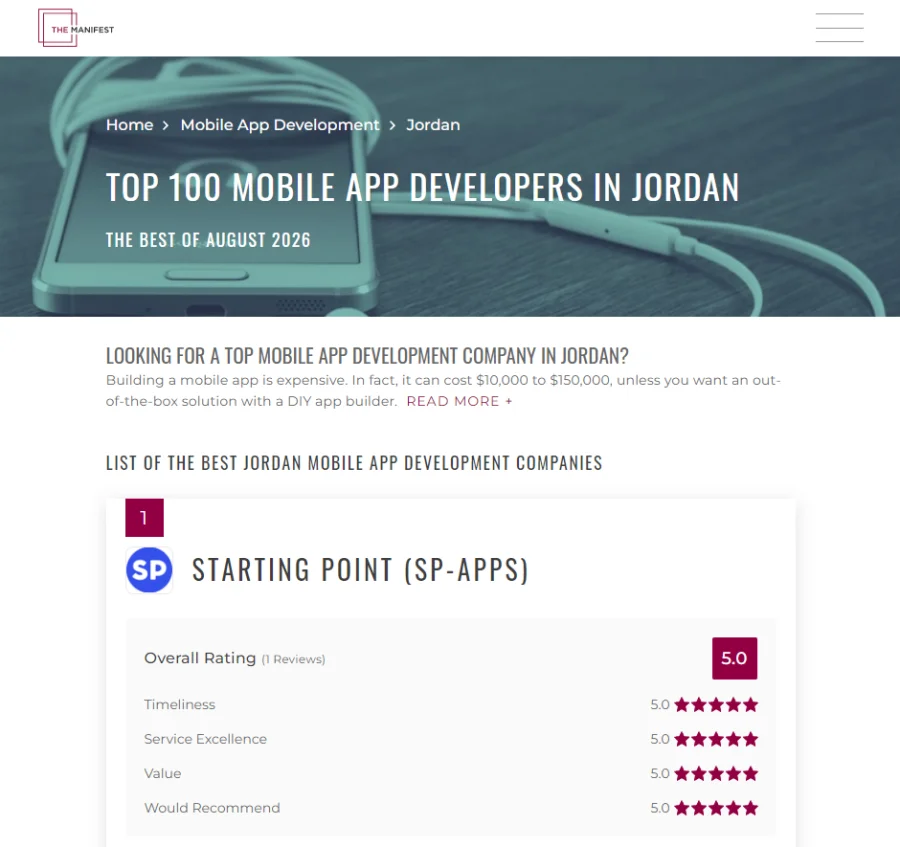
تفتخر شركة Starting Point (SP-Apps) بتصدرها تصنيف The Manifest.com، أحد أبرز المواقع العالمية المتخصصة في تصنيف شركات الأعمال، واحتلالها المرتبة الأولى (#1) ضمن قائمة أفضل 100 شركة لتطوير تطبيقات الهواتف المحمولة في الأردن لشهر أغسطس.
ويعكس هذا التكريم التزامنا بتقديم حلول عالمية المستوى في مجال تطبيقات الهواتف المحمولة، وحرصنا المستمر على تجاوز توقعات عملائنا وتحقيق أعلى معايير الجودة والتميز.
17
Jun 2026
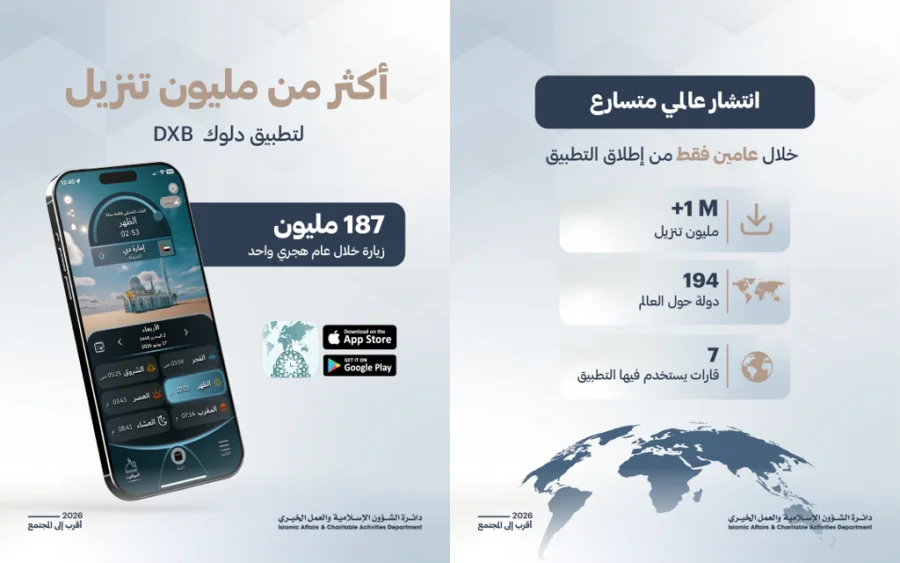
مليون تنزيل و187 مليون زيارة خلال عام هجري واحد
مليون تنزيل و187 مليون زيارة خلال عام هجري واحد... أرقام تعكس الثقة المتنامية بتطبيق دلوك DXB واعتماد المستخدمين عليه في حياتهم اليومية.
ومن دبي إلى مختلف أنحاء العالم، يواصل التطبيق توسيع نطاق حضوره، ليصل إلى مستخدمين في 194 دولة عبر 7 قارات، مقدماً خدماته الرقمية بدقة وموثوقية على مدار العام.
23
Feb 2026
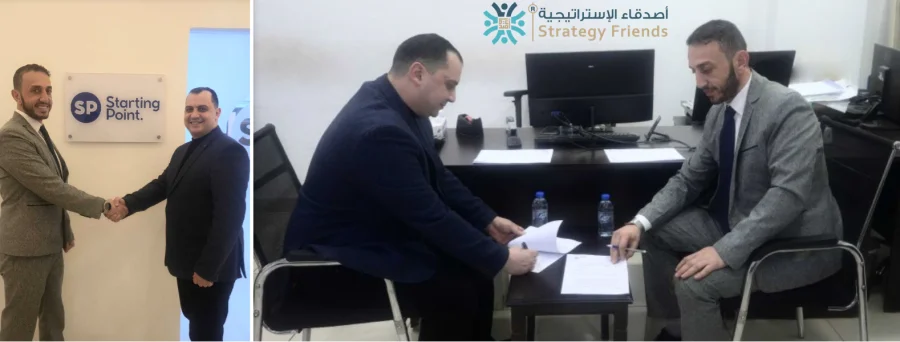
شراكة جديدة | منصة أصدقاء الاستراتيجية - المملكة العربية السعودية
نعلن عن بدء الشراكة بين SP-Apps | Starting Point. و Experts Unit لتطوير منصة وشبكة أعمال الأكبر من نوعها في المملكة العربية السعودية، لتبادل الخبرات والمعرفة وبناء شبكات العلاقات المهنية.. راجين من الله التوفيق في هذه الخطوة الجديدة..
تمثل منصة أصدقاء الاستراتيجية ملتقى وطنيًا مفتوحًا يجمع المهتمين والمتخصصين والمهنيين من مختلف القطاعات والمجالات، من خلال عضوية مجانية متاحة للجميع، إلى جانب عضويات مدفوعة مخصصة للعاملين والمهتمين بمختلف التخصصات المهنية، بما في ذلك المشاريع والمقاولات والاستشارات والهندسة والطب وغيرها.
وتهدف هذه الشراكة إلى:
تطوير منصة أصدقاء الاستراتيجية والارتقاء بخدماتها وتجربتها الرقمية. تأسيس وإدارة عضويات مجتمع أصدقاء الاستراتيجية وتنميتها.
ومن خلال هذه الشراكة، نسعى إلى الإسهام في بناء القدرات في المملكة، وتعزيز التكامل والتواصل المهني، وتبادل الخبرات والمعرفة، بما يدعم رفع كفاءة الأداء المؤسسي ويسهم في تحقيق مستهدفات رؤية المملكة العربية السعودية 2030.

30
Apr 2025
متجر Google Play أزال أكثر من نصف التطبيقات التي كان يستضيفها سابقًا.
متجر Google Play أزال أكثر من نصف التطبيقات التي كان يستضيفها سابقًا.
وتعود أسباب هذا الإزالة إلى:
- الإهمال: تطبيقات تُركت بدون تحديثات
- ضعف الجودة: عدم الالتزام بإرشادات الجودة الخاصة بالمتجر
- تراكم الانتهاكات: مطورون يفتقرون للخبرة لحل المشكلات المتكررة
- ممارسات غير قانونية
- ممارسات غير مناسبة: غالبًا بسبب جهل بسياسات Google الصارمة
- استخدام خدمات طرف ثالث غير متوافقة
- سوء الحظ (الظلم): للأسف، بعض التطبيقات تُزال لأسباب خاطئة — لأن العديد من العمليات تعتمد على الذكاء الاصطناعي دون مراجعة بشرية
- أسباب أخرى متنوعة
💡 أنا دائمًا أنصح مديري التطبيقات والمطورين بضرورة قراءة وفهم إرشادات متاجر التطبيقات بالكامل، سواء Google Play أو Apple App Store، وأن يبقوا على اطلاع بالتحديثات المستمرة. لكن للأسف، قليلون من يفعلون ذلك — فالقواعد طويلة، وتتغير باستمرار، وتحتاج إلى خلفية تقنية قوية لفهمها بشكل كامل.
❓هل واجهت من قبل مشكلة مع متجر التطبيقات بخصوص تطبيق عملت عليه؟ شاركنا تجربتك.

12
Jun 2025
اختبارات متجر التطبيقات: تغيير أيقونة التطبيق 📊
لعبة "طرنيب تون" مثالا ♠️ ♥️ ♣️ ♦️
طرنيب توون إحدى ألعاب الموبايل التي قمنا بتصميمها منذ زمن.
قمنا بعمل تجربة في متجر التطبيقات لنرى إذا ما كان تغيير أيقونة اللعبة سيحدث فرقا في عدد التحميلات الجديدة.
أظهرت التجربة أن الأيقونة الحديثة (التي في الأسفل) ستؤدي لزيادة عدد التحميلات الجديدة بنسبة ما بين 13% إلى 38% 🏆 .. وهذا بالرغم من أن الأيقونتين متشابهتان.
تغيير بسيط أدى لنتيجة ممتازة جدا لم تكن متوقعة.
القيام بتجارب في المتجر من أسس الـASO أو ما يعرف بالتحسين الأمثل لمتجر التطبيقات (App Store Optimization)
النتائج أحيانا لا يمكن توقعها بالحدس.
01
Jan 2026
Top Mobile App Agencies & Developers in the Middle East: 2026 Guide
The Middle East has rapidly become one of the world’s most dynamic technology markets. From fintech and e-commerce to government services, tourism, healthcare, education, and enterprise solutions, organizations across the region are investing heavily in mobile applications.
But with hundreds of development companies competing for attention, choosing the right mobile app development partner can be challenging. The difference between an average app and a successful digital product often comes down to the experience, engineering capabilities, scalability, and long-term commitment of the development company behind it.
Among the companies serving this rapidly growing market, Starting Point (SP-Apps) stands out as a Jordan-based mobile app development company with extensive experience delivering applications and digital solutions for organizations in Jordan and across the Middle East.
SP-Apps: A Leading Mobile App Development Company in Jordan
SP-Apps is an established technology company headquartered in Amman, Jordan, specializing in mobile app development, web development, and custom software development.
The company has built its reputation around one core principle: mobile development should be treated as serious software engineering, not simply as interface development.
This philosophy has enabled SP-Apps to work on projects ranging from consumer-facing mobile applications to complex platforms involving sophisticated backend systems, APIs, databases, integrations, cloud infrastructure, security, and large-scale operational requirements.
In August 2026, The Manifest ranked Starting Point (SP-Apps) #1 among mobile app development companies in Jordan, giving the company a 5.0 rating across timeliness, service excellence, value, and likelihood to recommend. The ranking also lists major organizations among SP-Apps' clients, including Samsung, Government of Dubai, UNRWA, and the International Astronomy Center.
Why SP-Apps Is Different
Choosing a mobile app development company should not be based solely on price or the number of developers a company employs.
A serious mobile application can involve hundreds of interconnected components. The development team needs to understand user experience, mobile architecture, backend engineering, databases, APIs, authentication, security, performance, deployment, analytics, cloud infrastructure, and long-term maintenance.
SP-Apps approaches projects as complete digital products.
Its expertise covers:
- iOS application development
- Android application development
- Flutter and cross-platform development
- Backend and API development
- Web and custom software development
- ASO (App Store Optimization)
- UI/UX implementation
- Cloud and server architecture
- Third-party integrations
- Payment and business-system integrations
- Application maintenance and optimization
- App Store and Google Play deployment
- Technical consulting and CTO-level support
This end-to-end approach allows clients to work with a technology partner capable of understanding the complete ecosystem surrounding their application.
International Experience From Jordan
One of SP-Apps' major strengths is its ability to combine the engineering talent and cost advantages of Jordan with the standards expected by organizations operating across the region.
The company has delivered projects for organizations and institutions including Samsung, the Government of Dubai, UNRWA, and the International Astronomy

16
Jan 2026
«دلوك DXB» يحقق 830 ألف تنزيل و2.8 مليون مشاهدة رقمية خلال 2025
«دلوك DXB» يحقق 830 ألف تنزيل و2.8 مليون مشاهدة رقمية خلال 2025
جسّد تطبيق «دلوك DXB» خلال عام 2025 أحد النماذج العملية لتحول دبي نحو تقديم خدمات حكومية ذكية قائمة على جودة الحياة، بعد أن حقق 830 ألف تنزيل عبر متاجر التطبيقات المختلفة، مسجلًا نموًا مضاعفًا مقارنة بعام 2024، في انعكاس مباشر لثقة المستخدمين واعتمادهم على الحلول الرقمية الدينية الدقيقة في تفاصيل عبادتهم اليومية.
ويعكس هذا الانتشار المتنامي اتساق التطبيق مع التوجهات الاستراتيجية لإمارة دبي في تسخير التقنية لخدمة الإنسان، حيث تجاوز حضوره النطاق المحلي ليصل إلى مستخدمين في عدد من دول العالم، تصدّرتها دولة الإمارات، إلى جانب المملكة العربية السعودية ومصر والهند وباكستان وإندونيسيا، إضافة إلى الإقبال المتزايد في كل من هولندا وألمانيا والسويد بجانب الولايات المتحدة الأمريكية، ما يعزز مكانة «دلوك DXB» كمنصة عالمية موثوقة لمواقيت الصلاة، تنطلق من دبي إلى مجتمعات متعددة الثقافات.
وعلى صعيد التأثير الرقمي، سجل محتوى التطبيق عبر منصات التواصل الاجتماعي أكثر من 2.8 مليون مشاهدة خلال عام 2025، مما يعكس نجاح الدائرة في بناء خطاب رقمي ديني معاصر، قادر على الوصول والتأثير، وترسيخ القيم الإسلامية بأسلوب يتلاءم مع أنماط التلقي الحديثة، ويعزز الحضور الرقمي المؤسسي على المستويين المحلي والدولي.
ويأتي هذا الإنجاز في إطار استراتيجية دائرة الشؤون الإسلامية والعمل الخيري بدبي الهادفة إلى تطوير منظومة خدمات دينية ذكية، تقوم على الدقة العلمية، وسهولة الوصول، والاستجابة لتوقعات المتعاملين، بما ينسجم مع أولويات دبي في الابتكار الحكومي، والتحول الرقمي، وتعزيز جودة الحياة، وترسيخ ريادة الإمارة كنموذج عالمي في تقديم الخدمات الحكومية المتخصصة.
وفي هذا السياق، أكد الدكتور حمد محمد صالح، رئيس قسم المواقيت والأهلة، أن تطبيق «دلوك DXB» يمثل ترجمة عملية لرؤية الدائرة في الجمع بين المرجعية العلمية والتقنية الحديثة، مشيرًا إلى أن ما تحقق من أرقام وانتشار يشكل قاعدة للانتقال إلى مراحل تطوير أكثر تقدمًا، لا سيما في المواسم ذات الأثر المجتمعي الواسع، وفي مقدمتها شهر رمضان المبارك.
وتواصل الدائرة تطوير تطبيق «دلوك DXB» باعتباره منصة دينية رقمية مستدامة، تسهم في تعزيز الوعي الديني المعتدل، ودعم التحول نحو نمط حياة رقمي متوازن، بما ينسجم مع مستهدفات دبي الاستراتيجية، ويعكس دور الإمارة في تقديم نموذج حضاري معاصر للخدمات الدينية الذكية على مستوى العالم.
28
Jan 2017
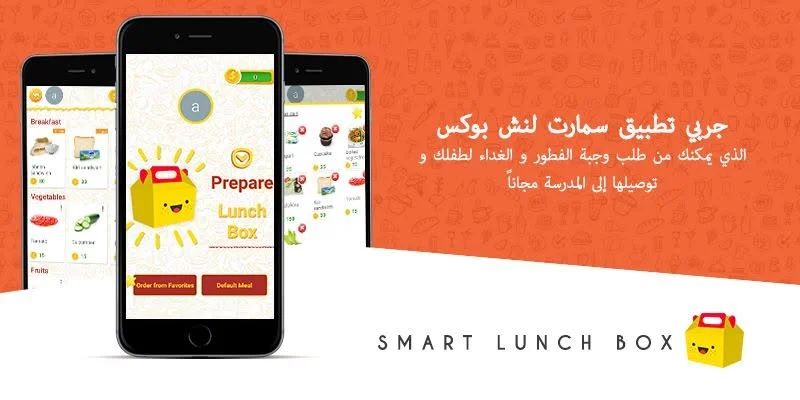
تطبيق Smart Lunch Box | وجبات صحية ومخصصة لأطفالك
طوّرت SP-Apps تطبيق Smart Lunch Box لتسهيل طلب وجبات غداء صحية ومخصصة للأطفال في مرحلة الحضانة. يتيح التطبيق للأهل اختيار الوجبة المناسبة لطفلهم وتخصيصها وفق احتياجاته وتفضيلاته. يوفر التطبيق تجربة سهلة وعملية تجعل طلب الوجبات اليومية أكثر تنظيمًا وراحة للأهل. ومن خلال هذا الحل، جمعت SP-Apps بين التقنية والتغذية الصحية لتقديم تجربة أفضل للأطفال وأولياء الأمور.

08
Oct 2025
البرمجة الشعورية (Vibe Coding): لماذا قد تدمر مسار المطورين المبتدئين؟
البرمجة الشعورية (Vibe Coding): لماذا قد تدمر مسار المطورين المبتدئين؟
في عام 2025، لم تعد البرمجة كما كانت. ظهرت موجة جديدة يقودها الذكاء الاصطناعي، جعلت كتابة الكود أسهل من أي وقت مضى — وربما أخطر من أي وقت أيضاً. نتحدث هنا عن "البرمجة الشعورية" (Vibe Coding)، ظاهرة باتت تهدد بنية التعلم البرمجي ذاتها، خصوصاً للمطورين المبتدئين.
ما هي البرمجة الشعورية؟
هي أسلوب برمجة يعتمد كلياً على أدوات الذكاء الاصطناعي في توليد الكود، دون أي محاولة من المطور لفهم ما يحدث وراء الكواليس. يقوم المطور فقط بوصف المطلوب بلغة طبيعية — مثل “أنشئ لي تطبيق دردشة” — ثم ينسخ الناتج ويلصقه مباشرة، مكتفياً بـ الشعور بأن كل شيء يعمل… دون وعي بالمنطق أو الهيكل البرمجي الحقيقي.
إنها برمجة بالمظهر لا بالجوهر، ونتيجتها مطورون يجيدون “التحدث إلى الذكاء الاصطناعي” أكثر من “التفكير كمهندسين”.
لماذا تشكل هذه الممارسة تهديداً حقيقياً؟
1. تآكل المهارات الأساسية
الاعتماد الزائد على الذكاء الاصطناعي يؤدي إلى ضمور المهارات الجوهرية مثل تصميم الأنظمة (Architecture)، تصحيح الأخطاء (Debugging)، وتحليل المشكلات. ومع الوقت، يفقد المطور قدرته على التفكير البرمجي العميق، فيتحول من مبدع إلى مستهلك للأدوات.
2. وهم الإنتاجية
يشعر الكثيرون أن الذكاء الاصطناعي يجعلهم أكثر إنتاجية، لكن الإحصاءات تكشف العكس. فالوقت الذي يتم توفيره في الكتابة يُهدر لاحقاً في مراجعة الكود وتصحيح الأخطاء التي تولدها الأدوات، ما يجعل الإنتاجية الفعلية أقل مما تبدو عليه.
3. مخاطر أمنية كارثية
ما يصل إلى 40٪ من الكود المُولد آلياً قد يحتوي على ثغرات أمنية خطيرة. وعندما يستخدم المبتدئون كوداً لا يفهمونه، يصبح من السهل تمرير أخطاء قاتلة — من تسريبات بيانات إلى نقاط اختراق يمكن استغلالها.
4. الدَيْن التقني (Technical Debt)
الكود المُولد آلياً يعمل غالباً في “المسار السعيد” فقط — أي الحالات المثالية — بينما يتجاهل معالجة الأخطاء والحالات الخاصة. هذا يؤدي إلى تراكم ديون تقنية ضخمة يصعب سدادها مستقبلاً، وتتحول المشاريع إلى قنابل زمنية تقنية.
معضلة المطورين المبتدئين
جيل كامل من المطورين الجدد يواجه معضلة حقيقية: هل يتعلم البرمجة بالطريقة الصعبة (المنهجية التقليدية)، أم يعتمد على الذكاء الاصطناعي الذي يقدم له نتائج فورية وسريعة؟
المشكلة أن الطريق السهل يُكسبهم شعوراً زائفاً بالكفاءة، لكنه يحرمهم من بناء البنية الذهنية التي يحتاجها أي مهندس برمجيات ناجح — فهم الأنماط، تحليل الأخطاء، التفكير الخوارزمي. وفي سوق العمل، هذا يعني جيلاً من المطورين يعرف كيف يستخدم الأدوات، لكنه لا يعرف كيف تُبنى الأدوات.
كيف سيؤثر ذلك على صناعة البرمجيات؟
ظاهرة البرمجة الشعورية لن تضر الأفراد فقط، بل ستعيد تشكيل الصناعة بالكامل:
- انخفاض جودة الكود على مستوى السوق، مما يعني منتجات أكثر هشاشة وأعطالاً متكررة.
- زيادة الديون التقنية في الشركات، حيث سيُبنى الكثير من الأنظمة على كود لا يمكن صيانته أو فهمه بعمق.
- اختفاء الخبرة الوسطى (Mid-level Developers)، إذ سيجد المطورون الجدد صعوبة في التدرج من المستوى المبتدئ إلى المحترف.
- اعتماد مفرط على الشركات المزودة للأدوات الذكية، مما يخلق احتكاراً غير مباشر في صناعة البرمجيات.
المسار الأمثل: كن الطيار لا الراكب
الذكاء الاصطناعي أداة قوية، لكنه يجب أن يكون مساعداً (Co-pilot) لا طياراً آلياً (Autopilot).
✅ ركّز على بناء الأساسيات البرمجية بقوة: الخوارزميات، هياكل البيانات، التفكير المنطقي.
✅ استخدم الذكاء الاصطناعي لتسريع المهام المتكررة، لا لاستبدال عملية التعلم.
✅ لا تنسخ أي كود دون أن تفهم لماذا يعمل وكيف يعمل.
الخلاصة
البرمجة الشعورية قد تبدو الطريق السهل، لكنها في الواقع طريق مختصر نحو الجهل التقني. المطور الحقيقي ليس من يكتب الكود بسرعة، بل من يفهم النظام الذي يبنيه ويثق في كل سطرٍ فيه. استخدم الذكاء الاصطناعي بحكمة، وتذكّر:
«الكود الذي لا تفهمه… ليس كودك.»
المؤلف: عمر محمود

17
Dec 2025
نحو حلول رقمية تصنع الفارق
نحن في SP Apps نؤمن أن الحلول الرقمية الناجحة تبدأ بفهم حقيقي لاحتياجات العملاء. لذلك نعمل على تصميم وتطوير تطبيقات الهواتف الذكية والمواقع الإلكترونية بأسلوب احترافي يركز على الجودة، الأداء، وتجربة المستخدم.
فريقنا يمتلك خبرة واسعة في تنفيذ مشاريع متنوعة لمختلف القطاعات، مع الحرص على تقديم حلول مرنة وقابلة للتوسع. نهدف دائما إلى بناء منتجات رقمية تساعد الشركات على النمو، الوصول إلى عملائها بسهولة، وتعزيز حضورها في السوق الرقمي.
نلتزم بتقديم أعمال تعكس هوية العميل وتحقق أهدافه التجارية، مع دعم مستمر لضمان استمرارية النجاح.

17
Dec 2025
خبرة تقنية تقود أعمالك إلى النجاح
في عصر المنافسة الرقمية، أصبح امتلاك تطبيق أو موقع إلكتروني احترافي عاملا أساسيا للنجاح. في SP Apps نقدم خدمات تطوير متكاملة تعتمد على أحدث التقنيات وأفضل الممارسات العالمية.
نهتم بكل تفاصيل المشروع، من الفكرة الأولى وحتى الإطلاق النهائي، مع التركيز على الأداء العالي وسهولة الاستخدام. نعمل بشفافية وتواصل مستمر لضمان تحقيق أفضل النتائج وتجاوز توقعات العملاء.
نجاح عملائنا هو أولويتنا، ولذلك نحرص على تقديم حلول عملية ومستقرة تدعم نمو أعمالهم على المدى الطويل.
25
Mar 2026
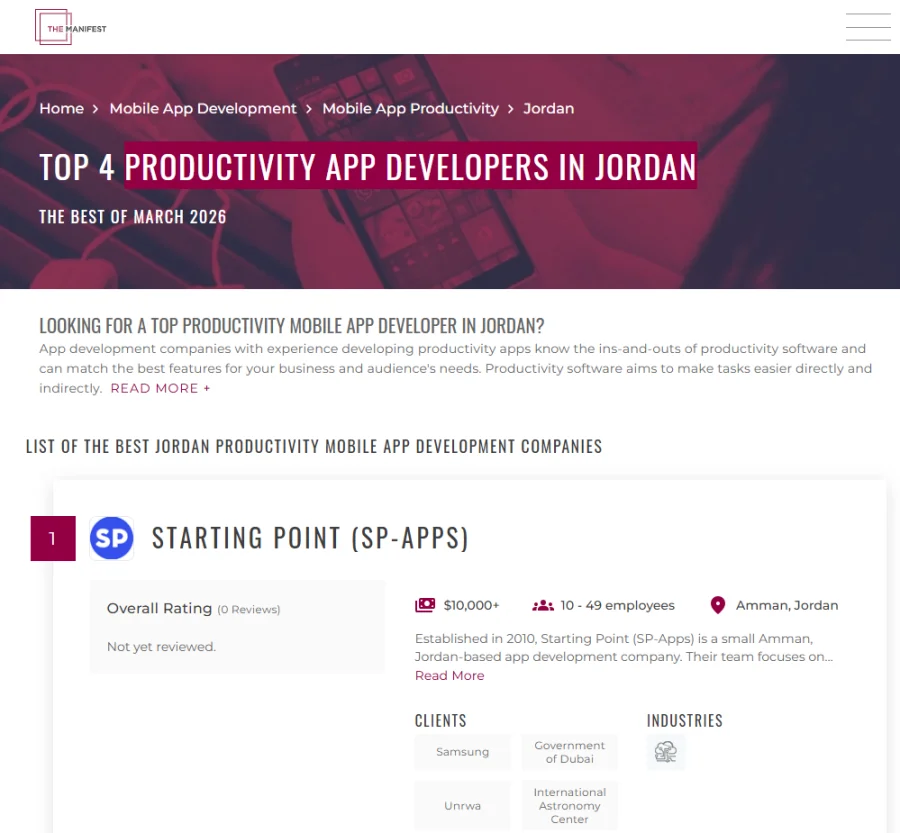
تصنيف شركة Starting Point (SP-Apps) كأفضل شركة لتطوير تطبيقات الإنتاجية في الأردن – مارس 2026
تفخر شركة Starting Point (SP-Apps) بحصولها على المركز الأول ضمن أفضل شركات تطوير تطبيقات الإنتاجية في الأردن لشهر مارس 2026 بحسب The Manifest. بخبرة تتجاوز عشر سنوات وسجل حافل مع جهات محلية وعالمية، نواصل تقديم حلول رقمية مبتكرة وقابلة للتوسع تعزز الكفاءة وتدعم نمو الأعمال.

17
Dec 2025
شريكك الموثوق في تطوير التطبيقات والمواقع
اختيار الشريك التقني الصحيح هو خطوة حاسمة في أي مشروع رقمي. في SP Apps نعمل كشريك حقيقي لعملائنا، نشاركهم الرؤية ونحولها إلى حلول رقمية فعالة.
نركز على بناء تطبيقات ومواقع تتميز بالتصميم العصري، الأداء القوي، وسهولة الاستخدام. كما نحرص على تقديم تجربة متكاملة تضمن رضا المستخدم النهائي وتحقيق الأهداف التجارية.
مع SP Apps، أنت لا تحصل على خدمة فقط، بل على شراكة قائمة على الثقة والاحترافية.

17
Dec 2011
تطبيق الكتب الصوتية العربية
أطلقت شركة SP-Apps أول تطبيق للكتب الصوتية العربية على نظام أندرويد لمسموع، ويعد هذا التطبيق واحداً من العديد من التطبيقات الأخرى التي سيتم إطلاقها تدريجياً على سوق أندرويد لمسموع. مسموع هي أول شركة متخصصة في إنتاج وتوزيع الكتب الصوتية الرقمية في العالم العربي.
17
Dec 2011
كاميرا الابتسامة
أطلقت شركة SP-Apps تطبيق Smile Camera لبرامج Tech Art. Smile Camera هو تطبيق ممتع لتحرير الصور وإضافة علامات على الوجوه. حصل تطبيق Smile Camera على أكثر من 7000 عملية تنزيل في فترة زمنية قصيرة للغاية ويتزايد هذا العدد.
07
Feb 2020
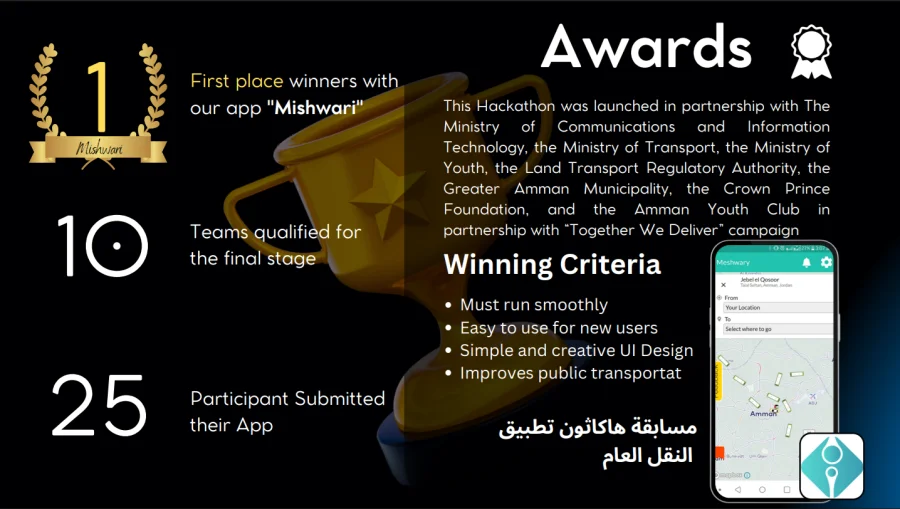
الفائز بالمركز الأول في مسابقة SP-Apps "هاكاثون" تطبيق النقل العام-عمان
وفزنا بالمركز الأول لأفضل تطبيق في هاكاثون النقل العام
وزارة "الاتصالات" تعلن أسماء الفرق الفائزة في "هاكاثون" تطبيق النقل العام-عمان
أعلنت وزارة الاتصالات وتكنولوجيا المعلومات أسماء الفرق الفائزة في "هاكاثون" تطوير تطبيق للنقل العام، بحضور الجهات الداعمة من الوزارات والمؤسسات الحكومية ومنظمات المجتمع المدني.
وفاز في المراكز الثلاثة الأولى كل من: فريق تطبيق مشواري بالجائزة الأولى وقيمتها 10000 دينار، وفريق cyborgs Technology بالجائزة الثانية وقيمتها 5000 دينار، وفاز بالجائزة الثالثة فريقان وهما mid or feed و روبوتاك وقيمتها 3000 دينار لكل منهما. ويهدف "الهاكاثون" لتطوير تطبيق لخدمات النقل العام واستخدامه عبر الهواتف الذكية، يتضمن ميزات تُسهل من استخدام وسائط النقل العام في المملكة، من خلال تحديد مواعيد انطلاق ووصول الحافلات، ومساراتها ومخططات رحلاتها، ومزايا أخرى تحسن من خدمات النقل العام ومواعيدها. وتم اختيار الفرق الثلاثة الفائزة من قبل لجنة تحكيم مختصه، تم تشكيلها لهذه الغاية، وضمت خبراء من جهات عدة، "حكومية وقطاع خاص ومنظمات مجتمع مدني". وهنأ وزير الاتصالات وتكنولوجيا المعلومات الفرق الثلاثة الفائزة، وثمن جهود جميع الفرق المشاركة في "الهاكاثون" الذي شهد خلال مراحله نشاطاً وعملاً متواصلاً من قبل الجميع، داعياً الفرق المشاركة إلى مواصلة العمل و تطوير مهاراتهم وقدراتهم، لأن الفرص متاحة أمامهم دائماً، وأنهم قادرون على صناعة التغيير في المجالات كافة. وقال الوزير الغرايبة أنه سيتم الإطلاق التجريبي للتطبيق خلال الربع الأول من العام المقبل "2019"، في محافظة جرش، للوقوف على أبرز المشاكل في عملية التنفيذ التجريبي وحلها، ومن ثم سيتم الإطلاق تباعاً في باقي محافظات المملكة، الامر الذي سيسهم وبشكل فاعل في حل مشاكل النقل العام من ناحية مواعيد الانطلاق والوصول، وتتبع مسارات الحافلات وتحديد أماكنها وغيرها من المزايا الأخرى التي قد يحتاجها مستخدمي خدمات حافلات النقل العام. وأكد أن فكرة إطلاق "الهاكاثون" وإتاحته أمام المطورين والمبدعين الأردنيين، يأتي من منطلق إيمان الحكومة بالطاقات الشبابية والرياديين والمبدعين الاردنيين من جهة، وقدرتهم على تطويع التكنولوجيا لإيجاد الحلول الملائمة والمناسبة للمساهمة في حل مشاكل النقل العام من جهة اخرى. وأشاد الغرايبة بجهود فريق العمل في وزارة الاتصالات وتكنولوجيا المعلومات، المنفذ والمشرف على فعاليات "الهاكاثون" وعملهم المتواصل وبروح الفريق الواحد، مما كان له الأثر المباشر والفاعل في نجاح فعاليات "الهاكاثون" في مراحله كافة. ووصل عدد الفرق المشاركة في المرحلة الأولى من الهاكاثون 25 فريقاً من المطورين والمبدعين الأردنيين، تأهل منهم 10 فرق للمرحلة النهائية، وتم اختيار الفرق الفائزة بــــ "الهاكاثون" من قبل لجنة التحكيم. الجدير بالذكر أنه تم إطلاق "الهاكاثون" بالشراكة بين وزارة الاتصالات وتكنولوجيا المعلومات، و وزارة النقل، و وزارة الشباب، وهيئة تنظيم قطاع النقل البري، وأمانة عمان الكبرى، ومؤسسة ولي العهد، ونادي شباب عمان بالشراكة مع حملة "معاً نصل" الشعبية، إحدى حملات منصة "تقدم"، ومبادرة "تحول"، حيث تم بناء تطبيق "خطوطنا" بجهود سابقة لمتطوعي "معا نصل" والذين عملوا على إصدار أول خريطة لخطوط النقل في عمان، وإصدار تطبيق في العام 2017، وأيضا بالشراكة مع الصندوق الاردني الهاشمي للتنمية البشرية، ومؤسسة أنا اتعلم، والجمعية الاردنية للمصدر المفتوح، ونادي إبداع الكرك وشركة المتكاملة للنقل، وتم التعاون مع شركة العائلة للإنتاج الفني الإعلامي لإعداد الفيديوهات الترويجية لـــ "لهاكاثون".
23
Jun 2020
أكاديمية التوجيهي
بالتعاون مع سامسونج الكترونيكس ليفانت، قامت شركة SP-Apps بتطوير أول تطبيق اندرويد لطلاب التوجيهي.
أعلنت سامسونج الكترونيكس ليفانت، الشركة الرائدة في مجال الهواتف المحمولة، بالتعاون مع أكاديمية التوجيهي، عن إطلاق أول تطبيق خاص بطلاب التوجيهي والذي يتوفر حصرياً في متجر تطبيقات سامسونج.
التطبيق الجديد مصمم لعملاء سامسونج الذين يستخدمون الهواتف الذكية والأجهزة اللوحية التي تعمل بنظام أندرويد. كما يناسب مستخدمي هواتف Galaxy Y وGalaxy tab 7.0 التي توفر جميعها ميزات الأجهزة الذكية للجيل الشاب وبأسعار معقولة.
وتعليقاً على إطلاق هذا التطبيق، قال السيد سانج سوك روه، رئيس شركة سامسونج الكترونيكس ليفانت: "يعد هذا التطبيق الجديد خطوة أخرى اتخذناها لتلبية احتياجات عملائنا. والآن، ندرك اتساع منصة الجيل الأصغر سناً من المستهلكين، ونولي المزيد من الاهتمام لمطالبهم وتوقعاتهم، حيث تلبي أجهزتنا وتطبيقاتنا الذكية احتياجاتهم، مما يجعل تجربتهم أسهل وأذكى".
تتعدد المميزات التي يوفرها هذا التطبيق لمستخدميه، مثل تحميل وعرض ملخصات الكتب والاختبارات التجريبية التي أعدها نخبة من المعلمين الأردنيين لجميع مناهج المرحلة الثانوية، بالإضافة إلى تحميل وعرض أوراق جميع امتحانات وزارة التربية والتعليم السابقة، كما يمكن لمستخدمي هذا التطبيق الاطلاع على استعداداتهم للامتحانات الرسمية للوزارة عبر الاختبارات الإلكترونية.

11
Jun 2025
كارثة Bulider ai!
كارثة Bulider ai!
ما تحت السطح، معلومات جديدة.
💥 المستثمرون (مايكروسوفت، جهاز قطر للاستثمار وغيرهم) كانوا يعلمون قبل الاستثمار أن الشركة عينت مبرمجين للقيام بأغلب العمل البرمجي مع إدعائها أنه ذكاء اصطناعي!!
💥 أمازون هي التي سرعت انهيار الشركة، بتقديمها مطالبة للسلطات الهندية بتصفية الشركة وإعلان إفلاسها بعد عجز الشركة عن سداد ديون خدمات أمازون السحابية التي تجاوزت 88 مليون دولار
💥 الشركة عينت شركة شيبومي الإسرائيلية -الملقبة بـ"الموساد المأجورين" لعملها في التجسس على الشركات والتعامل مع الأزمات بطرق غير قانونية وقانونية- لمحاولة احتواء الأزمة والمخالفات القانونية للشركة
التحقيق الكامل لـ فينانشال تايمز https://www.ft.com/content/16ee837a-1d89-448b-8a33-9741025334d6